Creative Architectural Solutions: Exploring the Value of Skilled Architecture Services
Groundbreaking architectural concepts are instrumental in defining contemporary spaces. By prioritizing environmental responsibility and practicality, urban planners can build settings that resonate with the needs of communities. The integration of green materials and intelligent systems boosts sustainable outcomes while fostering social interaction. As these designs evolve, they accommodate human-centered needs and reflect community identity. The question remains: in what ways do these factors combine to reshape our cities and elevate human well-being?
The Role of Architects in Creating Sustainable Spaces
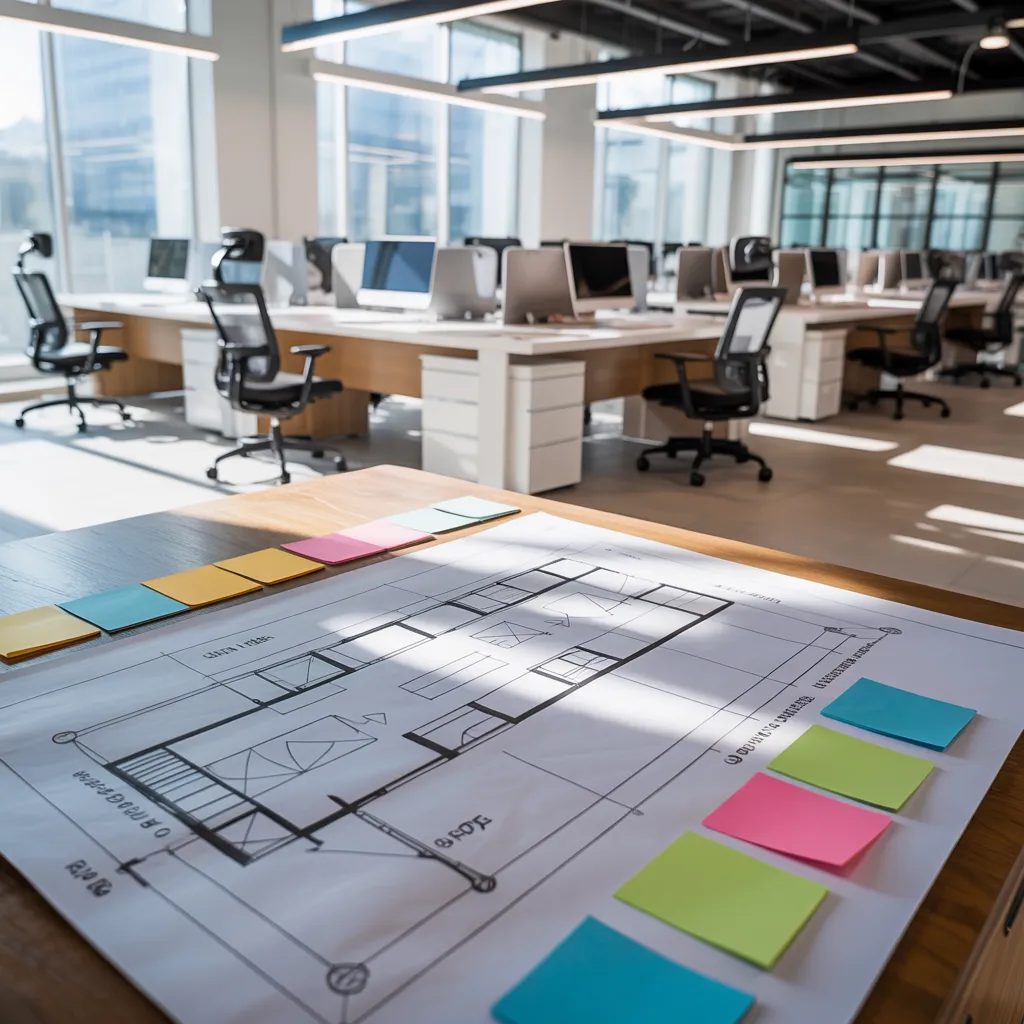
Architects serve a vital role in the shaping of sustainable built environments, substantially influencing the environmental outcome of the built world. Their knowledge enables the integration of eco-friendly materials, sustainable energy systems, and progressive design concepts that minimize resource consumption. By championing eco-conscious design, architects can create structures that reduce carbon footprints and strengthen overall energy effectiveness.
Collaboration with engineers and sustainability experts is crucial in this undertaking, ensuring that both aesthetic and functional criteria are met by designs while maintaining eco-friendly standards. Additionally, architects thoughtfully evaluate the surrounding ecosystem, encouraging biodiversity and integrating natural features that establish a cohesive relationship between man-made structures and the natural world.
Through thoughtful planning, architects also advocate for the use of sustainable energy options, such as wind or solar energy, which further reinforces environmental goals. At its core, their role extends beyond mere construction; architects define the evolution of urban spaces by cultivating a dedication to sustainable practices and conscientious planning.
Top Innovations in Architectural Design That Enhance Functionality
A wide range of developments in architectural design are reshaping functionality in modern spaces. One significant breakthrough is the adoption of smart systems, enabling structures to respond to occupant requirements through automated illumination, climate management, and security solutions. This improvement leads to greater energy savings and enhanced occupant comfort.
Furthermore, modular building methods are becoming increasingly popular, facilitating more rapid construction and improved design adaptability. Such constructions can be readily modified or scaled up, making them appropriate for numerous functions.
Biophilic architecture, which incorporates natural elements into building design, promotes health and efficiency, cultivating a bond between building users and their environment.
Moreover, open floor plans are increasingly popular, providing versatile spaces designed to accommodate multiple activities.
Additionally, green materials are being incorporated not only for their eco-friendliness but also for their attractive appearance and resilience, improving the overall performance of contemporary buildings. Together, these advancements lead to more flexible and effective architectural designs.
How Design Unites Communities
Planning holds significant importance in nurturing relationships within neighborhoods, creating settings that encourage interaction as well as communication among inhabitants. Thoughtfully designed green spaces, plazas, and communal areas function as essential gathering spots, promoting community interaction and a feeling of community. Architectural features such as open layouts and versatile areas create opportunities for community events and activities, elevating the overall quality of life.
In addition, designs that embrace local heritage and history establish a unique identity, allowing residents to feel more connected to their surroundings. By championing accessibility and inclusivity, architects guarantee that every person, regardless of age or physical ability, can participate in community life.
The incorporation of natural features, such as green spaces and recreational areas, greatly enhances the communal living experience, offering residents a sanctuary and a space for collective recreation. At its core, deliberate architectural design not only transforms physical spaces but also strengthens the bonds that hold communities together.
Enhancing Energy Efficiency With Professional Architecture
A significant shift in favor of sustainable energy use is revolutionizing the building design landscape, fueling the development of groundbreaking solutions that reduce environmental consequences. Professional architectural services serve a vital function in this shift by integrating eco-friendly approaches into their designs. These design professionals analyze energy usage trends and utilize cutting-edge materials, such as high-performance insulation and energy-efficient windows, to reduce climate control requirements.
Moreover, the adoption of renewable energy sources, like solar installations and geothermal technologies, not only lowers reliance on fossil fuels but also lowers operational costs for building owners. Intelligent building systems also optimize overall energy performance, providing real-time monitoring and adjustments to energy use.
Through detailed planning and forward-thinking design, expert architects design spaces which not only adhere to rigorous environmental standards but also encourage lasting sustainability. This commitment to energy efficiency ultimately contributes to a healthier planet and more resilient communities, reinforcing the critical role of architecture in addressing climate change.
Impressive Urban Landscape Redesigns
One striking instance is the transformation of neglected waterfront districts into thriving leisure spaces, complete with walking paths, parks, and cultural installations. Such transformations do more than improve the scenery, as they also invigorate surrounding economies by attracting visitors and businesses.
Moreover, skilled urban design recognizes the distinctive qualities of a community, guaranteeing that every change embodies its history and culture. This tailored approach encourages a sense of belonging within the community, promoting stewardship of the space. Ultimately, successful urban landscape transformations reveal the capacity of urban planning to transform the urban environment and promote long-term urban sustainability.
What Lies Ahead for Innovative Architecture?
How might forward-thinking architecture evolve to meet and respond to the shifting needs of modern society? As urban environments grow increasingly complex, architects are tasked with addressing pressing challenges such as sustainability, affordability, and social equity. Cutting-edge technologies, such as artificial intelligence and advanced materials, present fresh opportunities for design, facilitating more streamlined construction methods and improved energy efficiency.
Furthermore, architects are continually partnering with various stakeholders, from community members to sustainability professionals, confirming that blueprints represent the principles and demands of the communities they support. This engagement-driven process builds resilience, allowing structures to adapt to fluctuating ecological circumstances and public expectations.
In addition, the integration of biophilic design concepts fosters overall well-being, forging a connection between occupants and nature. As architecture continues to evolve, the focus on creative solutions will remain paramount, driving the profession to craft spaces that are both functional and transformative for coming generations.
Questions We Often Receive
How Do Architects and Engineers Collaborate on Projects?
Engineers and architects work together by integrating design concepts with technical requirements, ensuring structural integrity and functionality. Scheduled meetings promote effective dialogue, permitting both parties to resolve issues and enhance project outcomes through shared expertise and innovative full details solutions.
What Are the Costs Associated With Hiring an Architect?
The expenses involved in engaging an architect commonly consist of architectural design fees, project management costs, and potential supplementary charges for site inspections or consultations. These fees can fluctuate substantially depending on the complexity of the project and its location.
What Is the Typical Duration of the Architectural Design Process?
The process of architectural design generally requires a few months, subject to project scope and the requirements of the client. Considerations like permitting, project revisions, and contractor management can also influence the total project duration, often extending the duration considerably.
Can Architects Help With Zoning and Permit Applications?
Yes, architects provide assistance with zoning applications and permit requests. Their experience allows them to navigate challenging regulatory frameworks and guarantees alignment with municipal codes, making the process more efficient and boosting the prospects of securing required approvals for building projects.
What Qualities Should I Look for When Hiring an Architect?
When choosing an architect, you should consider qualifications such as licensing, education, experience in related projects, excellent interpersonal and communication skills, and a portfolio that highlights creative thinking and problem-solving capabilities. Specializations may also be relevant depending on project needs.